
Embark on a journey into the realm of Leadership Training for Employee Engagement, where effective strategies meet the need for empowered and dedicated teams. Discover the key elements that drive success in modern workplaces through this insightful exploration.
Explore the dynamic relationship between leadership development and employee engagement, and how organizations can leverage this connection for maximum impact.
Leadership Training
Leadership training plays a crucial role in the workplace by developing the skills and qualities needed for individuals to effectively lead teams and drive organizational success.
Successful Leadership Training Programs
- The Dale Carnegie Leadership Training program focuses on communication, employee empowerment, and building strong relationships within teams.
- The Situational Leadership Model by Hersey and Blanchard emphasizes adapting leadership styles based on the readiness level of team members.
- The Center for Creative Leadership offers programs that focus on self-awareness, emotional intelligence, and coaching skills for leaders.
Contribution to Employee Engagement
Leadership training contributes to employee engagement by fostering a positive work environment, promoting open communication, and empowering employees to take ownership of their work.
Employee Engagement
Employee engagement refers to the emotional commitment employees have towards their organization and its goals. It is about how invested employees are in their work and the company, leading to higher levels of productivity, job satisfaction, and overall performance. Employee engagement is crucial for organizational success as it directly impacts employee retention, customer satisfaction, and profitability.
Benefits of Having Engaged Employees
- Increased productivity: Engaged employees are more motivated and focused, leading to higher levels of productivity and efficiency in the workplace.
- Improved customer satisfaction: Engaged employees are more likely to provide better customer service, resulting in increased customer satisfaction and loyalty.
- Higher employee retention: When employees are engaged, they are more likely to stay with the company, reducing turnover rates and recruitment costs.
- Enhanced innovation: Engaged employees are more creative and willing to contribute new ideas, leading to innovation and continuous improvement within the organization.
Role of Leadership in Fostering Employee Engagement
Leadership plays a crucial role in fostering employee engagement by setting a clear vision, providing support and recognition, and creating a positive work environment. Effective leaders communicate openly, listen to their employees, and empower them to take ownership of their work. By building trust and demonstrating care for their team members, leaders can inspire engagement and loyalty, ultimately driving organizational success.
Leadership Development Programs
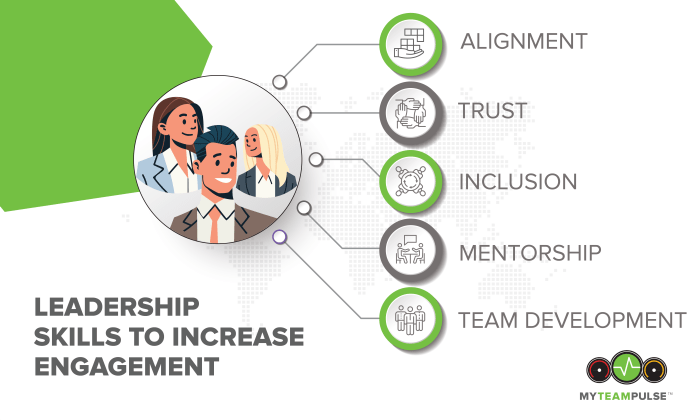
Leadership development programs are crucial for nurturing and enhancing the skills of leaders within an organization. These programs aim to cultivate effective leadership qualities, improve decision-making abilities, and empower individuals to inspire and motivate their teams.
Types of Leadership Development Programs
- Executive Coaching: One-on-one coaching sessions tailored to the specific needs and goals of the leader.
- Leadership Workshops: Interactive sessions focusing on skill-building, communication, and strategic thinking.
- Mentorship Programs: Pairing experienced leaders with emerging talents to provide guidance and support.
- Online Learning Platforms: Access to virtual resources, courses, and webinars for continuous learning and development.
In-house vs. External Training Programs
While in-house leadership training programs are customized to fit the organization’s culture and goals, external programs offer diverse perspectives and industry best practices. In-house training fosters loyalty and alignment with company values, while external programs bring fresh insights and networking opportunities.
Success Stories of Companies Implementing Leadership Development Programs
Company X saw a significant increase in employee engagement and productivity after implementing a mentorship program that paired seasoned leaders with junior staff.
Company Y credits their leadership workshops for a noticeable improvement in communication and collaboration among team members, resulting in higher team performance.
Strategies for Effective Leadership Training
Effective leadership training programs are crucial for the development of strong leaders within an organization. By implementing key strategies, organizations can ensure that their leadership training initiatives are successful in building capable and engaged leaders.
Designing an Effective Leadership Training Program
- Identify specific leadership competencies: Before designing a training program, it is essential to identify the key competencies that leaders need to succeed in their roles.
- Utilize a variety of learning methods: Incorporating a mix of training methods such as workshops, role-playing, and on-the-job training can enhance the effectiveness of the program.
- Provide ongoing support and resources: Ensure that leaders have access to resources and support even after the training program is completed to reinforce learning and encourage application in real-world scenarios.
Role of Feedback and Evaluation
- Collect feedback from participants: Gathering feedback from participants can help identify areas for improvement and tailor future training programs to better meet the needs of leaders.
- Conduct regular evaluations: Regular evaluations of leadership training programs are essential to measure their impact and effectiveness in developing leaders within the organization.
- Implement changes based on feedback: Use feedback and evaluation data to make necessary adjustments to the training program and ensure continuous improvement.
Tailoring Leadership Training to Different Management Levels
- Customize content based on management level: Recognize that leaders at different levels of management have varying responsibilities and skill sets, and tailor the training content accordingly.
- Offer specialized training for senior leaders: Provide advanced training programs for senior leaders that focus on strategic thinking, decision-making, and organizational leadership.
- Include practical exercises: Incorporate practical exercises that simulate real-world leadership challenges to help leaders at all levels apply their learning in a hands-on way.
In conclusion, Leadership Training for Employee Engagement serves as the cornerstone for organizational growth and success. By investing in leadership development, companies can cultivate a culture of engagement that propels them towards excellence.
Popular Questions
What are the key benefits of leadership training for employee engagement?
Leadership training enhances communication, fosters teamwork, and boosts morale, leading to increased productivity and employee satisfaction.
How can companies tailor leadership training to different levels of management?
Customizing training content, delivery methods, and focus areas based on the specific needs and responsibilities of each management level is key to effective leadership development.