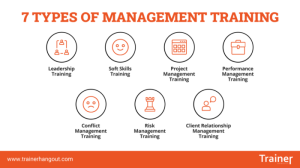
Investing in leadership development is a crucial step for both individuals and organizations seeking to thrive in today’s dynamic landscape. 2024 presents a diverse range of leadership training programs, each offering unique approaches and benefits. This exploration delves into the top programs, comparing curricula, costs, and potential returns on investment, while also considering emerging trends in the field.
From understanding the unique selling propositions of each program to analyzing their target audiences – encompassing entry-level professionals, mid-career managers, and seasoned executives – this overview aims to equip readers with the knowledge needed to make informed decisions about their leadership development journey. We’ll examine teaching methodologies, explore the cost-benefit analysis of different program options, and discuss how these programs translate to tangible career advancements.
Program Cost and Return on Investment (ROI)
The decision to invest in leadership training is a significant one, requiring careful consideration of program costs against potential returns. High-end programs often command substantial fees, while more affordable options present a lower financial barrier to entry. This section examines the cost-benefit analysis of each approach, highlighting how successful leadership training translates into tangible career advancement and illustrating the potential ROI through a hypothetical scenario.Investing in leadership development can be viewed as an investment in human capital, much like investing in any other asset.
While a high-end program might seem expensive upfront, its comprehensive curriculum, experienced instructors, and potentially exclusive networking opportunities can lead to a faster and more significant return on investment compared to a less intensive, cheaper alternative. Conversely, a more affordable program may offer a solid foundation in leadership principles, but might lack the depth and breadth of a premium program.
The optimal choice depends on individual needs, career goals, and budget constraints.
Cost Comparison and Program Features
High-end leadership training programs typically cost significantly more than their more affordable counterparts. This price difference often reflects differences in program duration, intensity, instructor expertise, location, and the inclusion of additional resources such as coaching, mentorship, or access to exclusive networks. For instance, a high-end program might cost $10,000-$20,000 or more for a week-long intensive session, while a more affordable online program might cost a few hundred dollars for self-paced learning.
However, the added value of the high-end program—such as personalized feedback and one-on-one coaching—could justify the higher cost for some individuals. The features offered by each program should be carefully weighed against the price.
Tangible Career Advancement from Leadership Training
Successful completion of a leadership training program can lead to several tangible career advancements. Improved communication skills, honed decision-making abilities, and enhanced strategic thinking are highly valued attributes in the workplace. These improvements can lead to increased responsibilities, promotions, and higher salaries. For example, an individual who completes a program and subsequently implements improved project management techniques might successfully deliver a project under budget and ahead of schedule, leading to a promotion and a salary increase.
Similarly, enhanced negotiation skills learned in training could result in securing more favorable contracts or partnerships for the organization, directly benefiting the individual’s career progression.
Hypothetical ROI Scenario
Let’s consider a hypothetical scenario. Sarah, a mid-level manager, invests $15,000 in a high-end leadership program. The program equips her with advanced negotiation skills, enabling her to secure a $500,000 contract for her company. Her improved leadership skills also lead to increased team productivity, resulting in a $100,000 cost savings in the following year. In addition, Sarah receives a promotion with a $20,000 annual salary increase.
Over three years, her total return exceeds $170,000 ($500,000 + $100,000 + ($20,000 x 3) = $760,000). Subtracting the initial investment of $15,000, Sarah’s net ROI is $745,000 over three years. This demonstrates the potential for a significant return on investment from a high-end leadership training program, even though the initial cost is high. This hypothetical scenario highlights the potential, but the actual ROI will vary depending on individual circumstances and the application of learned skills.
Future Trends in Leadership Training
The landscape of leadership development is constantly evolving, driven by technological advancements, societal shifts, and the ever-changing demands of the modern workplace. Understanding these trends is crucial for organizations seeking to cultivate effective and adaptable leaders. The following sections highlight three key areas poised to significantly shape leadership training programs over the next five years.
The Rise of Personalized and Adaptive Learning
Personalized learning experiences, tailored to individual learning styles and developmental needs, will become increasingly prevalent. This shift will move away from one-size-fits-all training programs towards more dynamic and adaptive approaches. For example, AI-powered platforms can analyze learner performance, identify knowledge gaps, and adjust the curriculum in real-time, ensuring that each participant receives targeted instruction and feedback. This personalized approach enhances engagement and knowledge retention, ultimately leading to more effective leadership development.
This trend reflects the growing recognition that leadership isn’t a monolithic skill set, but rather a constellation of abilities that need to be developed individually.
The Integration of Immersive Technologies
The use of immersive technologies, such as virtual reality (VR) and augmented reality (AR), will revolutionize how leadership skills are taught and practiced. VR simulations can create realistic scenarios where participants can practice complex decision-making, conflict resolution, and communication skills in a safe and controlled environment. For instance, a VR simulation might place a trainee in a challenging negotiation, allowing them to experiment with different strategies and receive immediate feedback on their performance without real-world consequences.
This approach fosters experiential learning and enhances the transfer of knowledge to real-world situations. Furthermore, AR can overlay digital information onto the real world, providing context-specific guidance and support during on-the-job training.
The Prioritization of Diversity, Equity, and Inclusion (DE&I)
Incorporating DE&I principles into leadership development is no longer optional; it’s a necessity. Organizations are increasingly recognizing the importance of fostering inclusive leadership that values diverse perspectives and promotes equitable opportunities for all employees. Leadership training programs will need to evolve to address issues of unconscious bias, promote inclusive communication styles, and cultivate empathy and cultural sensitivity. This might involve incorporating modules on inclusive leadership practices, unconscious bias training, and discussions on diversity and inclusion in the workplace.
Organizations will also need to focus on creating diverse leadership pipelines, providing opportunities for underrepresented groups to develop and advance their leadership skills. Companies like Google and Microsoft have already started implementing these initiatives, demonstrating a clear industry trend.
Stylish Furniture and Leadership Training Synergy

The environment in which leadership training takes place significantly impacts its effectiveness. A stylish and well-designed space fosters a positive learning atmosphere, boosting participant engagement and knowledge retention. The aesthetics of the training environment are not merely superficial; they directly influence productivity, creativity, and overall learning outcomes. A thoughtfully curated space can subtly yet powerfully enhance the entire training experience.Aesthetics play a crucial role in shaping the perception and experience of the training program.
Studies have shown a direct correlation between aesthetically pleasing environments and increased productivity and creativity. When participants feel comfortable and inspired by their surroundings, they are more likely to actively participate, engage in critical thinking, and retain information more effectively. A visually appealing space can reduce stress and improve mood, leading to a more receptive and productive learning environment.
Ideal Training Space Design and Furniture
An ideal leadership training center should prioritize both functionality and aesthetics. The space should be designed to encourage collaboration, interaction, and focused learning. This requires a blend of open collaborative areas and more secluded spaces for individual reflection and study. Furniture should be comfortable, ergonomically sound, and aesthetically pleasing, supporting both individual and group activities. Natural light should be maximized, and the color palette should be calming and conducive to concentration.
Technology integration, such as interactive whiteboards and high-quality audio-visual equipment, is also essential. The overall design should reflect professionalism and inspire a sense of innovation and forward thinking. For example, a space might feature modular furniture that can be easily rearranged to accommodate various training formats, from lectures to breakout sessions. A mix of seating options—comfortable armchairs for informal discussions, collaborative tables for group work, and individual desks for focused study—is ideal.
Suitable Furniture Styles for a Modern Leadership Training Center
The choice of furniture style should reflect the modern and forward-thinking nature of the leadership training center. A variety of styles can be incorporated to create a dynamic and engaging environment.
- Mid-Century Modern: This style offers clean lines, organic shapes, and a sense of timeless elegance. Pieces often feature tapered legs and subtle curves, creating a sophisticated yet approachable atmosphere.
- Scandinavian: Known for its minimalist aesthetic, Scandinavian furniture emphasizes functionality, simplicity, and natural materials. Light woods, neutral colors, and comfortable, ergonomic designs create a calming and productive space.
- Contemporary: Contemporary furniture embraces clean lines, geometric shapes, and a focus on functionality. This style often incorporates innovative materials and technologies, reflecting a forward-thinking approach.
- Industrial Chic: This style combines raw industrial elements with refined touches. Think exposed brick, metal accents, and comfortable upholstered seating. This can create a unique and inspiring atmosphere, reflecting a balance of strength and creativity.
By carefully considering the design and furniture choices, a leadership training center can create an environment that not only facilitates effective learning but also enhances the overall experience for participants, leading to more successful and impactful training outcomes.
Ultimately, selecting the best leadership training program depends on individual needs and career goals. By carefully considering the curriculum, teaching methods, cost, and potential ROI, individuals can make a strategic investment in their future leadership capabilities. The future of leadership training is evolving rapidly, with technology and a focus on diversity, equity, and inclusion playing increasingly significant roles.
By staying informed about these trends, leaders can ensure they remain at the forefront of their fields.
FAQ Resource
What accreditation should I look for in a leadership training program?
Look for programs accredited by reputable organizations relevant to your field or industry. Accreditation signifies a commitment to quality and established standards.
How can I determine if a program is a good fit for my learning style?
Review program descriptions carefully, paying attention to teaching methodologies (lectures, workshops, simulations, etc.). Look for programs that align with your preferred learning environment and approaches.
Are there financing options available for leadership training programs?
Many programs offer financing plans or work with third-party providers to offer payment options. Inquire directly with the program provider about available options.
What is the typical duration of a leadership training program?
Program durations vary significantly, ranging from short, intensive workshops to longer, more comprehensive programs spanning several months or even years.