Effective team leadership is the cornerstone of any successful organization. This training program delves into the core components of building high-performing teams, exploring diverse leadership styles, and providing practical strategies for delegation, feedback, and conflict resolution. We’ll examine proven methods for designing engaging curricula, measuring training effectiveness, and ultimately fostering a collaborative and productive work environment.
From understanding various learning styles to implementing interactive exercises and analyzing real-world case studies, this comprehensive guide equips aspiring and current team leaders with the skills and knowledge needed to excel. We’ll also touch upon the often-overlooked influence of workspace design on team dynamics and productivity.
Defining Team Leadership Training
Team leadership training equips individuals with the necessary skills and knowledge to effectively lead and manage teams. It goes beyond simply delegating tasks; it focuses on fostering collaboration, communication, and achieving shared goals. Effective programs build a strong foundation in leadership principles and practical application within a team context.Effective team leadership training programs incorporate several core components. These components work synergistically to develop well-rounded team leaders.
Core Components of Effective Team Leadership Training
Successful programs integrate theoretical knowledge with practical application. They emphasize active learning through simulations, group exercises, and real-world case studies. This approach ensures trainees can translate learned concepts into actionable strategies within their own teams. Furthermore, feedback mechanisms, both from instructors and peers, are crucial for identifying areas for improvement and reinforcing effective behaviors. Finally, the curriculum should be adaptable to the specific needs and contexts of the participants and their organizations.
A one-size-fits-all approach is rarely effective.
Learning Styles Accommodated in Team Leadership Training
Recognizing that individuals learn in different ways is paramount. Effective training programs incorporate diverse methodologies to cater to various learning styles. Visual learners benefit from diagrams, charts, and presentations; auditory learners from lectures, discussions, and group work; and kinesthetic learners from hands-on activities, simulations, and role-playing exercises. By offering a blended learning approach, programs can maximize engagement and knowledge retention across the spectrum of learning preferences.
For instance, a program might incorporate interactive workshops alongside online modules and self-paced learning materials.
Key Performance Indicators (KPIs) for Measuring Training Success
Measuring the success of team leadership training requires a multi-faceted approach. Key Performance Indicators (KPIs) should track both immediate and long-term impacts. Immediate measures could include participant satisfaction scores from post-training surveys and assessments of knowledge gained. Long-term success can be evaluated by observing improvements in team performance metrics such as project completion rates, employee engagement scores, and reduction in team conflict.
Furthermore, the impact on organizational goals, such as increased productivity or improved customer satisfaction, can be used as a broader measure of the training’s effectiveness. For example, a company might track the number of successful project launches post-training or measure employee feedback on improved team dynamics.
Leadership Styles and Team Dynamics
Effective team leadership hinges on understanding various leadership styles and their impact on team dynamics. Choosing the right approach and adapting to different situations is crucial for fostering a productive and collaborative environment. This section will explore several leadership styles, address the challenges of diverse teams, and Artikel strategies for overcoming common team dysfunctions.
Comparison of Leadership Styles and Their Impact on Team Performance
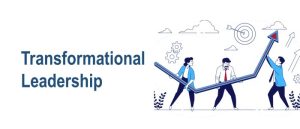
Three prominent leadership styles – transformational, transactional, and laissez-faire – offer contrasting approaches to team management. Transformational leaders inspire and motivate their teams through shared vision and empowerment, fostering a sense of purpose and commitment. This style often leads to high levels of creativity and innovation, but can be less effective in situations requiring strict adherence to procedures or immediate results.
Transactional leaders focus on setting clear goals, providing rewards for performance, and correcting errors. This approach is highly structured and results-oriented, but may stifle creativity and limit employee engagement if not balanced with other approaches. Laissez-faire leaders offer minimal guidance and allow team members significant autonomy. While this style can empower highly skilled and self-motivated individuals, it can lead to a lack of direction and coordination, especially within less experienced teams.
The optimal leadership style depends on the specific context, team capabilities, and project requirements. A flexible leader might effectively blend elements from different styles depending on the situation.
Managing Diverse Teams and Strategies for Effective Communication and Conflict Resolution
Managing diverse teams presents unique challenges, including differing communication styles, cultural norms, and perspectives. Effective communication is paramount. This requires actively listening to understand different viewpoints, being mindful of language barriers and cultural nuances, and establishing clear communication channels. Promoting open dialogue and creating a psychologically safe environment where individuals feel comfortable expressing their opinions is crucial.
Conflict is inevitable in any team, but particularly in diverse settings. Strategies for effective conflict resolution include establishing clear conflict resolution processes, facilitating constructive dialogue, focusing on issues rather than personalities, and seeking mediation when necessary. Celebrating diversity and leveraging the unique strengths of each team member can transform potential challenges into significant competitive advantages.
Common Team Dysfunctions and Methods for Addressing Them
Understanding and addressing common team dysfunctions is vital for optimizing team performance. Ignoring these issues can lead to decreased productivity, low morale, and ultimately, project failure.
Below are five common team dysfunctions and strategies to mitigate them:
- Dysfunction: Lack of Trust. Team members are hesitant to be vulnerable with one another, leading to withholding information and hindering collaboration. Solution: Implement team-building activities that encourage vulnerability and open communication. Establish clear expectations for trust and mutual respect, and actively address any breaches of trust promptly and fairly.
- Dysfunction: Fear of Conflict. Team members avoid expressing dissenting opinions, leading to unresolved issues and poor decision-making. Solution: Encourage constructive conflict by establishing norms for respectful disagreement. Frame disagreements as opportunities for improvement and learning, rather than personal attacks. Provide training on effective conflict resolution techniques.
- Dysfunction: Lack of Commitment. Without clear buy-in, team members are less likely to fully commit to goals and decisions. Solution: Ensure that team members are actively involved in the decision-making process. Clearly communicate goals and expectations, and create a sense of shared ownership and responsibility. Celebrate successes to reinforce commitment.
- Dysfunction: Avoidance of Accountability. Team members fail to hold each other accountable for their actions and contributions, leading to decreased performance and morale. Solution: Establish clear individual roles and responsibilities. Regularly monitor progress and provide constructive feedback. Create a culture of accountability where team members are comfortable addressing performance issues directly and respectfully.
- Dysfunction: Inattention to Results. Team members prioritize individual needs and goals over the collective success of the team. Solution: Clearly define team goals and metrics for success. Regularly track progress and celebrate achievements as a team. Reward and recognize contributions that directly support team objectives.
Practical Application of Team Leadership Skills
Effective team leadership isn’t just theoretical; it’s a crucial skillset applicable across various industries and organizational structures. Successfully applying these principles translates directly into improved productivity, enhanced team morale, and the achievement of ambitious goals. This section will explore real-world applications, strategies for delegation and accountability, and techniques for delivering constructive feedback.
The principles of effective team leadership are universally applicable, regardless of industry. Understanding and implementing these principles can significantly impact organizational success. For example, a software development team utilizes agile methodologies, relying heavily on collaborative problem-solving and iterative feedback loops, directly mirroring the principles of effective team leadership. Similarly, a medical team in a hospital emergency room must coordinate seamlessly, exhibiting clear communication, defined roles, and rapid decision-making, all hallmarks of strong team leadership.
Real-World Applications of Team Leadership Principles
Effective team leadership manifests differently across diverse sectors. Consider a marketing team launching a new product. Strong leadership ensures clear communication of the campaign strategy, delegation of tasks based on individual strengths, and consistent monitoring of progress. In a manufacturing setting, effective team leadership might involve optimizing workflow, addressing equipment malfunctions efficiently, and fostering a safety-conscious environment.
Finally, a research team in academia relies on collaborative data analysis, open communication of findings, and constructive criticism to advance knowledge. In each case, successful outcomes hinge on the application of effective team leadership skills.
Strategies for Effective Task Delegation and Accountability
Delegating tasks effectively is paramount for efficient team operation and individual growth. Simply assigning tasks isn’t enough; fostering accountability requires a structured approach. The following strategies promote both efficiency and responsibility:
- Clearly define tasks, outlining expectations, deadlines, and required resources.
- Match tasks to individual skills and strengths, maximizing team potential and employee satisfaction.
- Provide necessary training and support to ensure team members possess the skills to complete their assignments successfully.
- Establish regular check-in points to monitor progress, address challenges, and offer support as needed.
- Implement a system for tracking progress and celebrating achievements, reinforcing accountability and positive team dynamics.
Providing Constructive Feedback for Growth and Improvement
Constructive feedback is a cornerstone of team development. It’s crucial to provide feedback that is both helpful and motivating, fostering a culture of continuous improvement. Avoiding criticism and focusing on specific behaviors and their impact is essential.
Effective feedback should follow a structured approach: Begin by stating the observed behavior, explain its impact, and conclude by offering specific suggestions for improvement. For example, instead of saying “Your work is sloppy,” a more constructive approach might be: “I noticed the report contained several grammatical errors and inconsistencies in formatting. This could affect the clarity and professionalism of our communication.
Perhaps we could schedule some time together to review the company’s style guide and discuss best practices for report writing.”
Measuring the Effectiveness of Team Leadership Training
Measuring the success of team leadership training requires a multifaceted approach, going beyond simple participant feedback. A robust evaluation strategy should incorporate both immediate and long-term assessments to understand the true impact on individual skills and team performance. This ensures the training remains relevant, effective, and provides a return on investment.Effective measurement involves gathering data from multiple sources and using that data to inform future training iterations.
This iterative process of improvement is crucial for ensuring the training program’s continued relevance and effectiveness.
Post-Training Survey Design
A well-designed post-training survey should assess both participant satisfaction and knowledge gained. Questions should cover various aspects of the training experience, including the clarity of the material, the engagement of the instructors, the relevance of the content to participants’ roles, and the overall usefulness of the training. For knowledge assessment, the survey could include multiple-choice questions, short-answer questions, or scenario-based questions to test comprehension and application of the learned skills.
For example, a question might assess understanding of a specific leadership style by asking participants to identify the style demonstrated in a short case study. Another might assess practical application by asking how they would apply a specific conflict resolution technique in a given workplace scenario. Analyzing the responses will provide valuable insights into the training’s strengths and weaknesses.
Tracking Long-Term Impact on Team Performance
Tracking the long-term impact requires identifying key performance indicators (KPIs) relevant to team effectiveness. These could include metrics such as project completion rates, team efficiency, employee satisfaction scores within teams, reduction in conflict incidents, or improvements in team communication. Data should be collected both before and after the training, and then compared to gauge the impact. For instance, if the training focused on improving project management skills, tracking the number of projects completed on time and within budget before and after the training would be a relevant KPI.
A comparison of pre- and post-training data on employee satisfaction surveys could reveal the impact of improved leadership skills on team morale. Regular monitoring of these metrics over several months or even years will provide a clearer picture of the training’s lasting effects.
Utilizing Participant Feedback for Program Improvement
Participant feedback is invaluable for refining the training program. Qualitative data, such as open-ended responses to survey questions, provides rich insights into areas for improvement. This feedback can be categorized and analyzed to identify recurring themes and suggestions. For example, if multiple participants comment on the lack of practical exercises, future iterations of the training could incorporate more hands-on activities.
Similarly, if participants find certain concepts difficult to understand, the training materials can be revised to enhance clarity and include additional examples. Regularly incorporating this feedback into the training design ensures the program remains relevant, engaging, and effective in achieving its objectives. This iterative process is key to ensuring continuous improvement.
Stylish Furniture and its Relation to Team Dynamics (Optional)
The design and arrangement of office furniture significantly impacts team collaboration, productivity, and overall morale. A well-designed workspace fosters a positive and efficient environment, contributing directly to a company’s success. Conversely, poorly chosen or arranged furniture can hinder communication, reduce productivity, and negatively affect employee well-being.The aesthetic appeal of stylish furniture plays a crucial role in creating a positive workplace atmosphere.
Attractive surroundings can boost employee morale, increase job satisfaction, and even improve creativity and problem-solving skills. A visually appealing office space communicates a sense of value and professionalism, reflecting positively on the company’s image and attracting top talent.
Impact of Furniture Design on Collaboration and Productivity
The choice of furniture directly influences how teams interact. For example, collaborative workspaces often feature modular furniture that can be easily rearranged to accommodate different team sizes and project needs. Comfortable seating encourages longer meetings and more relaxed brainstorming sessions. Conversely, individual workstations with appropriate privacy can enhance focus and concentration for tasks requiring deep work. Open-plan offices, while often favored for their collaborative potential, need careful consideration of noise levels and visual distractions; well-placed screens or sound-absorbing furniture can mitigate these issues.
Ergonomic chairs and adjustable desks support employee well-being, preventing discomfort and promoting productivity. The strategic placement of communal tables encourages informal interactions and spontaneous collaboration.
Aesthetic Appeal and its Influence on Team Morale
A stylish office space, characterized by high-quality, aesthetically pleasing furniture, can dramatically improve team morale. Think of a modern office with sleek, minimalist desks made from sustainably sourced wood, paired with comfortable, ergonomically designed chairs in a neutral color palette. Statement lighting fixtures, perhaps a series of pendant lights above a central collaborative area, add visual interest. The inclusion of plants and natural light further enhances the atmosphere, creating a calming and inspiring workspace.
This thoughtful design fosters a sense of pride and belonging among team members, creating a more positive and engaging work environment. The use of vibrant colors on accent pieces, like a bright blue sofa in a breakout area, can inject energy and creativity.
Example of a Stylish and Functional Office Space
Imagine a modern, open-plan office bathed in natural light. The space is divided into distinct zones using strategically placed low-height shelving units and plants, creating visual separation without isolating teams. Central to the office is a large, communal table made from light oak, surrounded by comfortable, upholstered chairs in muted tones. This area serves as a hub for brainstorming sessions and informal meetings.
Individual workstations are equipped with ergonomic chairs and height-adjustable desks, allowing employees to customize their workspace for optimal comfort and productivity. Smaller, enclosed meeting rooms are available for more private discussions. The overall color palette is neutral and calming, with pops of color added through artwork and accent pieces. The furniture is both stylish and functional, promoting both collaboration and individual focus.
The carefully considered arrangement of the furniture encourages natural flow and interaction, creating a dynamic and productive work environment.
Mastering team leadership is a journey, not a destination. This training provides a robust framework for developing your leadership skills, fostering strong team dynamics, and achieving lasting organizational success. By implementing the strategies and insights discussed, you can cultivate a culture of collaboration, accountability, and high performance, leading to improved team morale and significant results. The investment in team leadership training is an investment in the future success of your organization.
FAQ Section
What certification do I receive after completing the training?
The specific certification, if any, will be detailed in the program materials. Some programs may offer certificates of completion while others may focus on skill development without formal certification.
How much time commitment is required?
The time commitment varies depending on the program format (e.g., one-day workshop, multi-day course, online modules). Details on the time investment will be provided in the program description.
What if I have prior experience in team leadership?
Even experienced leaders can benefit from this training. It offers opportunities to refine existing skills, learn new techniques, and network with peers. The program adapts to various experience levels.
Are there prerequisites for this training?
There are typically no formal prerequisites. However, a basic understanding of team dynamics and management concepts is helpful.