Emotional Intelligence in Leadership Training sets the stage for this enthralling narrative, offering readers a glimpse into a story that is rich in detail with a focus on developing crucial skills and fostering effective team dynamics. Exploring the realm of emotional intelligence in leadership unveils a world where self-awareness, empathy, and motivation reign supreme, shaping leaders into visionaries of tomorrow.
As we delve deeper into the components, strategies, challenges, and solutions of emotional intelligence in leadership training, a tapestry of insights awaits, weaving together theory and practice to empower individuals on their leadership journey.
Importance of Emotional Intelligence in Leadership Training
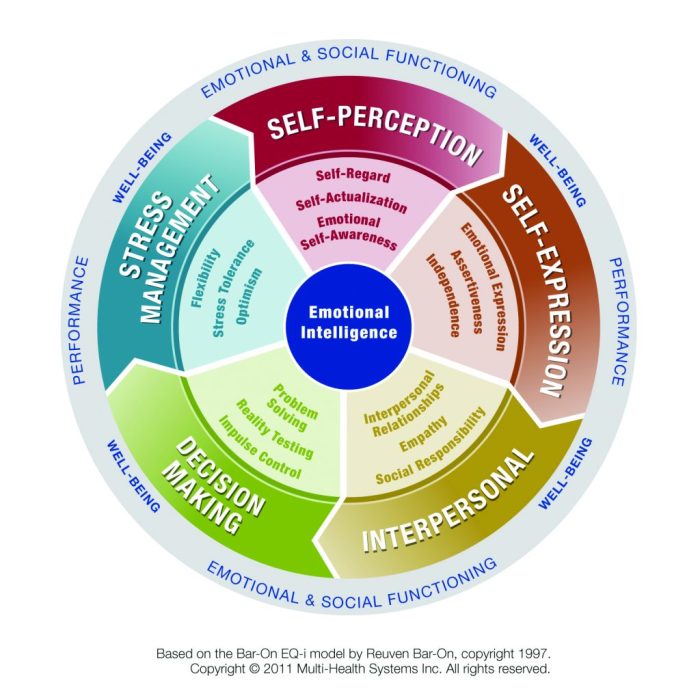
Emotional intelligence plays a crucial role in shaping effective leadership by enhancing the ability to understand and manage emotions, both of oneself and others. Leaders with high emotional intelligence are better equipped to navigate complex interpersonal relationships and lead their teams towards success.
Enhanced Decision-Making
Leaders with high emotional intelligence are able to make more informed and rational decisions by considering the emotions and perspectives of those involved. This leads to better outcomes and fosters a more collaborative and inclusive work environment.
Improved Communication
Emotional intelligence enables leaders to communicate effectively, actively listen, and empathize with their team members. This leads to clearer expectations, reduced conflicts, and stronger relationships within the team.
Conflict Resolution
Leaders with high emotional intelligence are adept at managing conflicts and resolving disputes in a constructive manner. They can navigate challenging situations with diplomacy and tact, maintaining team cohesion and productivity.
Team Engagement
Emotional intelligence fosters a positive team dynamic by promoting trust, respect, and mutual understanding among team members. Leaders who prioritize emotional intelligence create a supportive and engaging work environment where individuals feel valued and motivated to perform at their best.
Components of Emotional Intelligence in Leadership Training
Emotional intelligence plays a crucial role in leadership training as it encompasses various key components that are essential for effective leadership. These components include self-awareness, self-regulation, motivation, empathy, and social skills. Let’s break down the significance of each component in leadership development.
Self-awareness
Self-awareness involves understanding one’s emotions, strengths, weaknesses, and the impact they have on others. In leadership training, self-awareness helps leaders recognize their emotions and how they influence their decision-making process and interactions with others.
Self-regulation
Self-regulation is the ability to control and manage one’s emotions, impulses, and reactions. Leaders who possess strong self-regulation are better equipped to handle stressful situations, conflicts, and challenges effectively without letting their emotions get in the way.
Motivation
Motivation refers to the drive to pursue goals with energy and persistence. Leaders with high levels of motivation inspire and motivate their teams to achieve success. They set challenging goals, remain optimistic in the face of adversity, and exhibit a strong sense of commitment.
Empathy
Empathy involves understanding and sharing the feelings of others. Leaders who demonstrate empathy are able to connect with their team members on a deeper level, build trust, and foster positive relationships. They consider the emotions and perspectives of others when making decisions.
Social Skills
Social skills encompass the ability to communicate effectively, build relationships, and work collaboratively with others. Leaders with strong social skills excel in networking, conflict resolution, and team building. They create a positive work environment that promotes open communication and teamwork.Emotional intelligence complements technical skills in leadership development by emphasizing the importance of interpersonal skills, communication, and relationship management. While technical skills are essential for performing specific tasks and responsibilities, emotional intelligence is critical for building strong relationships, inspiring others, and navigating complex social dynamics within an organization.In real-life scenarios, emotional intelligence has played a pivotal role in successful leadership training programs.
For example, a leader who demonstrates empathy and social skills can effectively lead a diverse team, resolve conflicts, and foster a culture of collaboration and innovation. By leveraging emotional intelligence, leaders can create a positive work environment where team members feel valued, motivated, and engaged in achieving common goals.
Strategies for Developing Emotional Intelligence in Leadership Training
Developing emotional intelligence is crucial for effective leadership. Here are some strategies to help individuals enhance their emotional intelligence during leadership training:
Importance of Feedback and Reflection
Feedback and reflection play a vital role in improving emotional intelligence. Leaders should actively seek feedback from peers, mentors, and team members to gain insights into their emotional responses and behaviors. Reflection on past experiences allows leaders to identify patterns, strengths, and areas for growth.
Practical Tips for Incorporating Emotional Intelligence Development
- Provide self-assessment tools: Encourage leaders to assess their emotional intelligence through validated assessments to identify areas for improvement.
- Role-playing exercises: Engage leaders in role-playing scenarios to practice emotional intelligence skills such as active listening, empathy, and conflict resolution.
- Emotional intelligence workshops: Offer workshops focusing on specific components of emotional intelligence, such as self-awareness, self-regulation, social awareness, and relationship management.
- Mentorship programs: Pair leaders with experienced mentors who can provide guidance and support in developing emotional intelligence competencies.
- Continuous feedback: Establish a culture of ongoing feedback to help leaders track their progress in enhancing emotional intelligence skills.
Challenges and Solutions in Teaching Emotional Intelligence in Leadership Training
Teaching emotional intelligence in leadership training can present various challenges that can hinder the effective development of this skill set. However, there are solutions that can help overcome these challenges and ensure successful integration of emotional intelligence in leadership training.
Challenge: Resistance to Vulnerability
Some individuals may resist the idea of being vulnerable or expressing their emotions openly, which can impede the learning process of emotional intelligence.
- Encourage a safe and supportive learning environment where participants feel comfortable sharing their thoughts and emotions without fear of judgment.
- Use storytelling and personal anecdotes to demonstrate the power of vulnerability and how it can enhance leadership effectiveness.
- Provide regular feedback and reinforcement to help individuals gradually become more comfortable with expressing their emotions.
Challenge: Lack of Self-awareness
Many individuals may lack self-awareness, making it challenging for them to recognize and understand their own emotions and how they impact others.
- Introduce self-assessment tools and exercises to help individuals identify their emotional triggers and patterns of behavior.
- Encourage reflection and introspection to enhance self-awareness and promote a deeper understanding of one’s emotional responses.
- Provide opportunities for individuals to receive feedback from peers, mentors, and coaches to gain different perspectives on their emotional intelligence development.
Role of Mentors and Coaches
Mentors and coaches play a crucial role in supporting individuals to cultivate emotional intelligence skills during leadership training.
- Provide one-on-one coaching sessions to help individuals explore their emotions, develop empathy, and enhance their interpersonal skills.
- Offer guidance and advice on how to manage emotions effectively in challenging situations and lead with empathy and authenticity.
- Act as role models by demonstrating high emotional intelligence and serving as examples for individuals to emulate in their own leadership journey.
LEADERSHIP TRAINING
Leadership training programs play a crucial role in developing effective leaders within organizations. These programs are designed to equip individuals with the skills and knowledge needed to lead teams, drive organizational growth, and achieve strategic objectives.
Key Elements of Effective Leadership Training Programs
Effective leadership training programs encompass a variety of essential components that are crucial for developing strong leaders within an organization. These key elements include:
- Leadership Development Curriculum: A structured curriculum that covers leadership theories, communication skills, conflict resolution, and decision-making processes.
- Mentorship and Coaching: Providing opportunities for participants to receive guidance and feedback from experienced leaders within the organization.
- Experiential Learning: Engaging participants in practical exercises, simulations, and real-world scenarios to apply leadership concepts in a hands-on way.
- Feedback and Assessment: Regular feedback sessions and performance evaluations to track progress and identify areas for improvement.
- Networking Opportunities: Facilitating connections with other leaders, industry experts, and mentors to expand knowledge and grow professional relationships.
Experiential learning and practical exercises are essential in leadership training as they allow participants to apply theoretical knowledge in real-world situations, fostering a deeper understanding and skill development.
Successful leadership training initiatives have shown significant impact on organizational growth. For example, companies that invest in leadership training programs experience improved employee engagement, higher productivity, better decision-making, and increased profitability. These initiatives create a culture of leadership excellence, driving innovation and performance across all levels of the organization.
In conclusion, Emotional Intelligence in Leadership Training is not just a concept but a transformative tool that molds leaders into beacons of inspiration and influence. By nurturing emotional intelligence alongside technical skills, individuals can embark on a path of growth, resilience, and impactful leadership, shaping the future of organizations and teams with a human touch.
FAQ Section
How does emotional intelligence benefit leadership training?
Emotional intelligence enhances leadership by improving self-awareness, empathy, and communication skills, leading to more effective and empathetic leaders.
What are some practical tips for developing emotional intelligence in leadership training?
Some practical tips include active listening, seeking feedback, practicing empathy, and self-reflection to enhance emotional intelligence in leadership roles.
How can mentors and coaches support individuals in cultivating emotional intelligence during leadership training?
Mentors and coaches can provide guidance, feedback, and opportunities for self-improvement, creating a supportive environment for individuals to develop their emotional intelligence skills in leadership.